.jpg)
Bankers remained ambivalent on the impact of Tuesday's policy announcement by Reserve Bank on the cost of funds and refrained from giving a guidance on the direction in which lending rates are headed.

The Reserve Bank of India (RBI) kept its key policy repo rate unchanged at 8.0 percent on Tuesday, as widely expected, while expressing concerns about risks to its target to bring consumer inflation down to 6 percent by January 2016.
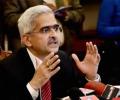
Reserve Bank Governor Shaktikanta Das has pitched for policy support from all sides -- fiscal, monetary and sectoral -- to nurture recovery of the economy hit by the second wave of the coronavirus pandemic. The dent on economic activity due to the second wave of the pandemic during April-May necessitated continuation of monetary measures to support the process of economic recovery to make it durable, Das had said while participating in the meeting of the Monetary Policy Committee (MPC) earlier in the month. "Overall, the second wave of COVID-19 has altered the near-term outlook, and policy support from all sides - fiscal, monetary and sectoral - is required to nurture recovery and expedite return to normalcy," Das said, as per the minutes of the meeting released on Friday.

Discuss how high inflation and interest rates are impacting you with Senior Associate Editor (Business)Faisal Kidwai.
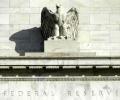
Years of unprecedented stimulus has left the Fed swollen with $4.5 trillion in bonds

If you invest for the shorter-term now, you will be able to roll over to higher rates when the interest-rate cycle turns, advises Sarbajeet K Sen.

In the mid-year monetary policy review on Tuesday, RBI, left the key interest rate unchanged but reduced cash reserve ratio by 0.25 per cent to infuse additional liquidity of up to Rs 17,500 crore (Rs 175 billion) into the system.

RBI unsure whether to cut rates or not in its next monetary policy.
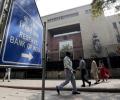
However, RBI would continue to nudge banks to cut lending rates

India's economic growth is estimated to have slowed down to 11-year low of 5 per cent during the current financial year ending March 2020.

In the last policy review in December, RBI had decided to keep policy rate unchanged.

The Reserve Bank on Friday projected retail inflation to be in 5-5.2 per cent range during the first half of the next fiscal year, expecting further softening of vegetables prices in near term. Also, it has lowered the retail inflation forecast for the current January-March quarter of 2020-21 fiscal at 5.2 per cent. The Reserve Bank (RBI) has kept the key policy rate unchanged at 4 per cent, with an accommodative stance, so as to ensure that inflation remains well within the target, Governor Shaktikanta Das said while announcing the last monetary policy of 2020-21.

High interest rates have been discouraging fresh investments and dragged industrial production down for nearly two years now.
